

Melatonin Free Sleep Supplements That Actually Support Recovery
Sleep is where gains are made or lost. If you're training hard and waking up still wrecked, the supplement you reach for at night matters just as much as what you take before your workout. Melatonin free sleep supplements are gaining serious traction among athletes, lifters, and first responders who want deep, restorative rest without the next-morning fog that high-dose melatonin can cause.
Why Serious Athletes Are Ditching Melatonin
Melatonin is a hormone your body already produces in response to darkness. It's useful for jet lag and circadian disruption, but it doesn't directly support the deep, slow-wave sleep your muscles need to repair after heavy training. High doses (many gummies contain 5-10mg) can suppress your body's own production over time and leave you groggy the next day when you need to be sharp.
For strength athletes, powerlifters, and first responders running on irregular schedules, the goal isn't just falling asleep. It's getting into deep, quality sleep stages and waking up ready to perform. That's where a well-formulated, melatonin-free sleep aid approach changes the game.
The sleep supplement market has exploded with options, but most formulas rely on the same overused hormone. A growing segment of performance-focused athletes is turning to non-hormonal alternatives that work with the nervous system rather than overriding it.
The Core Ingredients That Make Melatonin-Free Formulas Work
Not all melatonin-free sleep supplements are built the same. The difference between a formula that works and one that collects dust on your shelf comes down to ingredient quality, dosing transparency, and how well the compounds work together. Here's what the evidence actually supports.
Magnesium Glycinate
Magnesium is involved in over 300 enzymatic reactions in the body, including the GABA pathways that calm your central nervous system before sleep. The glycinate form is bound to glycine, an amino acid with its own calming properties, making it the most sleep-appropriate form available.
A 2025 randomized, placebo-controlled trial - the largest of its kind on magnesium bisglycinate - found that four weeks of magnesium supplementation improved insomnia scores versus placebo in adults reporting poor sleep. For athletes, magnesium also supports muscle relaxation, reduces post-exercise soreness, and helps regulate heart rate variability (HRV), a key recovery metric tracked by wearables like WHOOP and Garmin.
The takeaway: if you train hard and don't prioritize dietary magnesium, you're almost certainly running low. Supplementing at night makes practical sense.
L-Theanine
L-theanine is an amino acid found naturally in green tea. At doses of 200mg, clinical research shows it promotes relaxation by enhancing alpha brainwave activity without inducing sedation. It doesn't knock you out. It removes mental noise so your body can wind down naturally.
For athletes who train in the evening or carry stress from high-pressure jobs, L-theanine is one of the cleanest tools available. It pairs well with the other calming compounds in a well-dosed formula, and it won't leave you dragging at 0600 when the alarm goes off.
Ashwagandha (KSM-66)
Ashwagandha is an adaptogenic herb with some of the strongest clinical backing in the sleep supplement space. KSM-66, the standardized root extract, is the most researched form. A double-blind, placebo-controlled study published in the Indian Journal of Psychological Medicine found that 300mg of KSM-66 twice daily led to a 27.9% reduction in serum cortisol levels and significant improvements in sleep, relaxation, and mental calmness over 60 days.
For strength athletes and first responders, elevated cortisol from training stress and occupational demands is a major barrier to quality sleep. Ashwagandha targets that root cause directly. A 2026 study on KSM-66 in team sport athletes during pre-season training further confirmed its ability to attenuate cortisol spikes and support hormonal recovery in both male and female athletes.
GABA
Gamma-aminobutyric acid (GABA) is your brain's primary inhibitory neurotransmitter. When GABA levels are adequate, your nervous system transitions from high-alert to rest more efficiently. Athletes and first responders who run high-stimulant pre-workouts regularly should pay close attention - chronic stimulant use can shift baseline nervous system tone in a direction that makes winding down harder.
GABA in supplement form works best when combined with other relaxing compounds, particularly magnesium, which helps potentiate GABA receptor activity at the neurological level.
5-HTP
5-Hydroxytryptophan (5-HTP) is a precursor to serotonin, which your body converts into melatonin naturally. Rather than adding exogenous melatonin, 5-HTP supports your own production pathway when your circadian rhythm is intact. This makes it a smart addition for those who want to support natural sleep hormone regulation without taking the hormone directly.
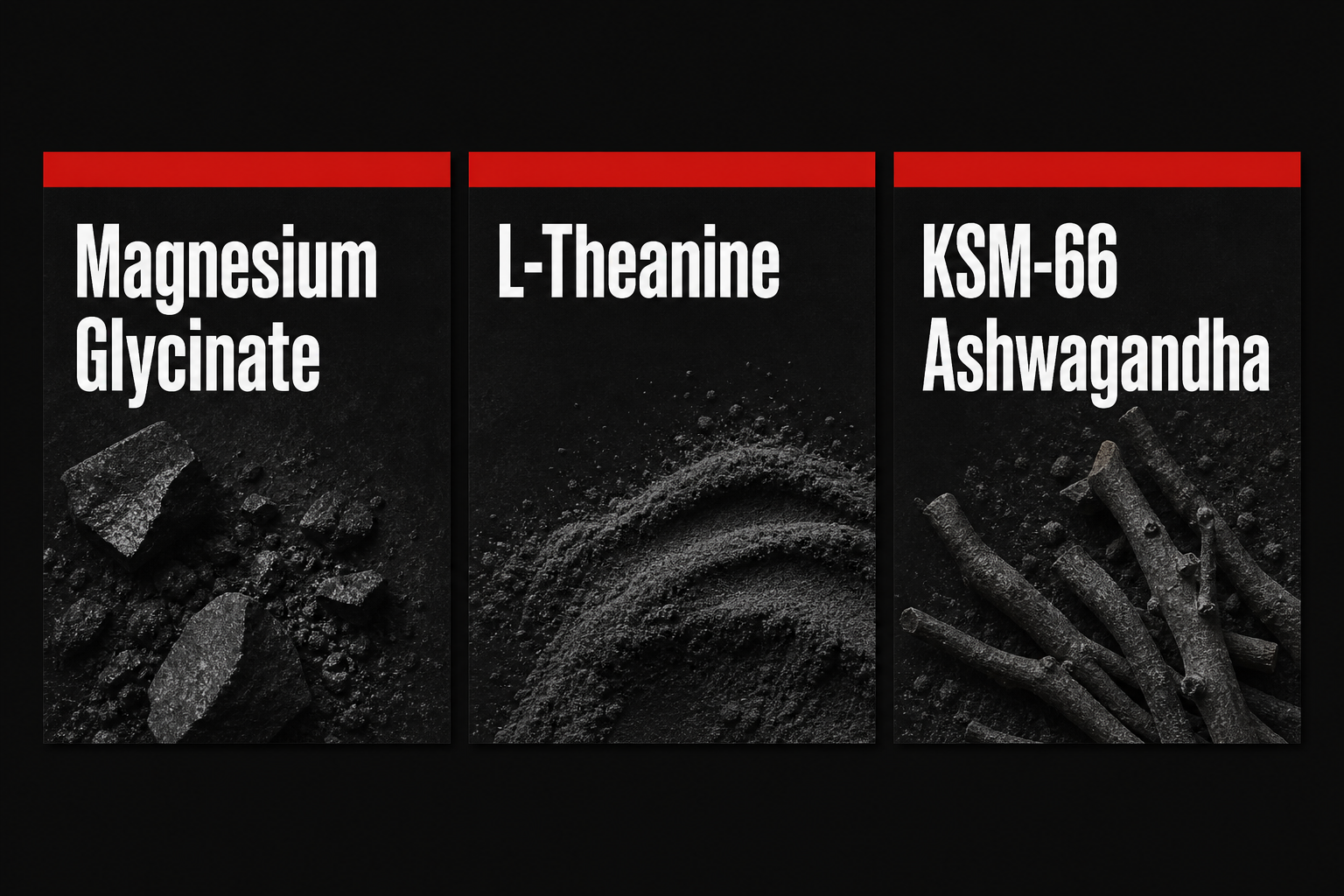
Ingredient Comparison: What to Look for in a Formula
| Ingredient | Primary Role | Effective Dose Range | Best For |
|---|---|---|---|
| Magnesium Glycinate | GABA support, muscle relaxation | 200-400mg | Daily recovery, high-volume training |
| L-Theanine | Alpha wave promotion, anxiety reduction | 100-200mg | Evening calm, stress wind-down |
| KSM-66 Ashwagandha | Cortisol reduction, adaptogen | 300-600mg | Stress-related sleep disruption |
| GABA | CNS inhibition, relaxation | 100-300mg | High-stimulant users, first responders |
| 5-HTP | Serotonin/melatonin precursor | 50-100mg | Circadian rhythm support |
When you look at a label, you want fully disclosed amounts for every ingredient. No proprietary blends. No underdosed pixie-dust formulas where the total blend weighs less than a single effective dose. That's a non-negotiable standard at SuppDawg Supplements.
Why High-Stim Athletes Need Better Sleep, Not More Stimulants
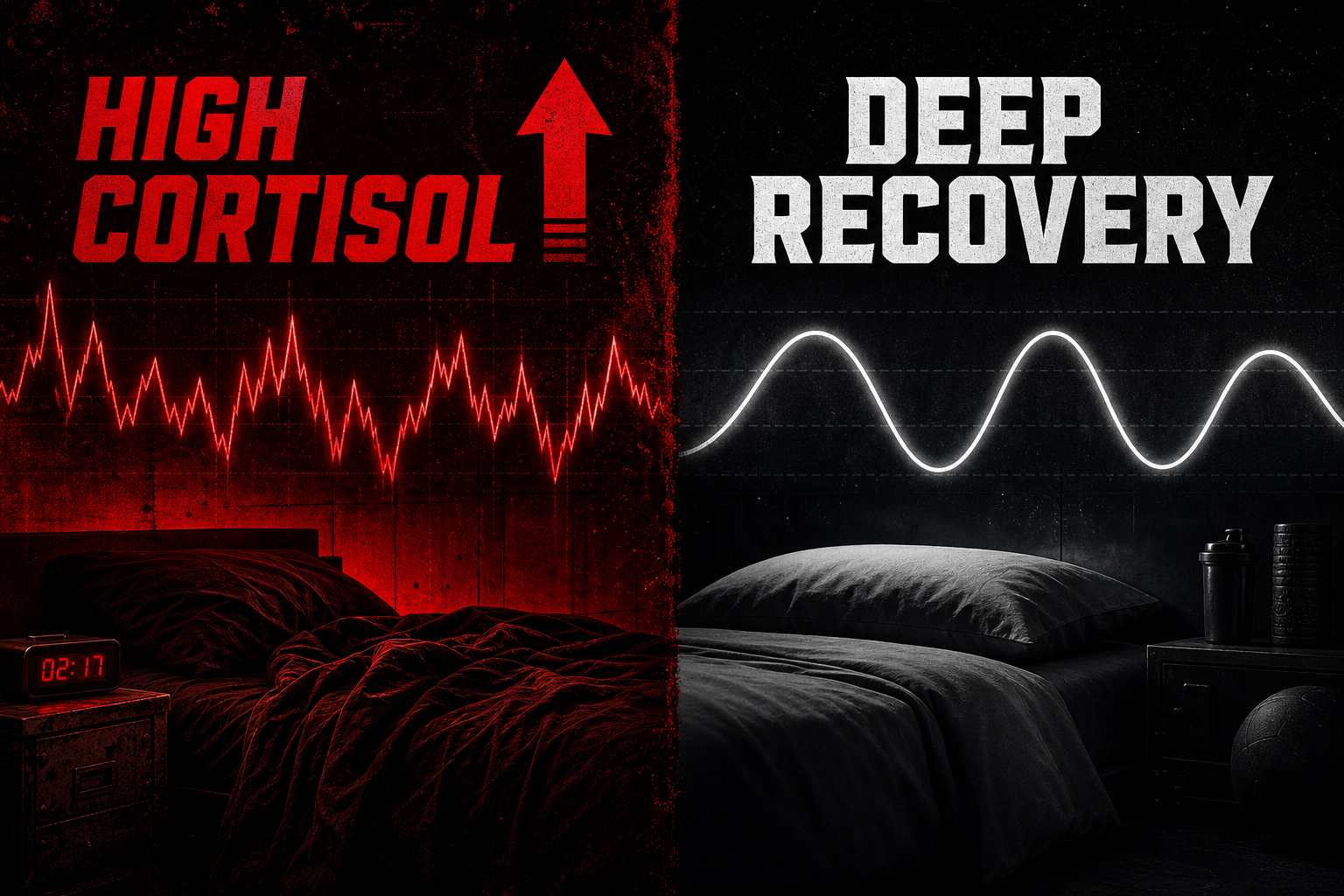
If you run a high-stimulant pre-workout like Shock Collar, you know the energy is real. But that same stimulant load that drives performance in the gym can push your cortisol and adrenaline response hours after training. Getting quality sleep after an intense session isn't automatic - it requires the opposite biochemical environment from what you created four hours earlier.
This is exactly why first responders, competitive athletes, and anyone who trains at high intensity should take sleep as seriously as nutrition and programming. Sleep is where testosterone is released, muscle protein synthesis peaks, and the nervous system resets for the next session. A well-dosed melatonin-free formula supports that process without adding a synthetic hormone to the mix.
Over 52% of Americans don't consume enough dietary magnesium according to published nutrition data - and among hard-training athletes who sweat heavily, that number likely skews higher. That single deficiency alone can tank sleep quality, elevate resting heart rate, and slow muscle recovery.
Who Should Use Melatonin-Free Sleep Supplements
Melatonin-free formulas are a strong fit for:
- Shift workers and first responders who need deep sleep in shortened or irregular windows without next-shift grogginess
- High-stim pre-workout users dealing with post-training cortisol and nervous system activation
- Powerlifters and strongman competitors managing high training volume and accumulated physical stress
- Anyone who's tried melatonin and hated waking up groggy - a common complaint, especially with doses above 3mg
- Athletes who prefer non-hormonal recovery tools and want transparent, fully disclosed formulas
If you fall into one or more of those categories, it's worth reassessing what you're taking at night and whether it's actually built for your output level.
What Makes Ruff Night Different
Ruff Night is SuppDawg Supplements' melatonin-free sleep and recovery formula, built specifically for athletes and first responders who can't afford to wake up sluggish. No hormones. No proprietary blends. No junk doses that look good on paper but do nothing in the body.
Every ingredient is fully disclosed, dosed at effective levels, and manufactured in a GMP-certified U.S. facility. That's the SuppDawg standard across every product in the lineup - the same transparency you'll find in Buff Dawg creatine and every other formula we build.
Built by athletes, for athletes. First responder owned and operated. All Bite. No Bark.
How to Use Sleep Supplements for Maximum Recovery
Timing and consistency matter. For melatonin-free formulas, the general guidance looks like this:
- Take your sleep supplement 30 to 60 minutes before bed
- Dim lights and cut blue light exposure after taking it to support natural melatonin production
- Avoid caffeine after 2 PM, especially if you're sensitive to stimulants or train late
- Be consistent - adaptogenic compounds like ashwagandha build effect over weeks, not just overnight
- Pair with managing your pre-workout caffeine intake to avoid overlapping stimulant load with sleep window
Sleep doesn't fix itself with one night of good intentions. Stack the right inputs consistently, and the compound effect shows up in performance, recovery, and body composition over time.
Second-Look Comparison: Melatonin vs. Melatonin-Free
| Factor | Melatonin | Melatonin-Free Formula |
|---|---|---|
| Mechanism | Circadian signal, hormone | Nervous system calm, stress reduction |
| Grogginess Risk | Higher at doses above 3mg | Low with proper formulation |
| Dependency Concern | Possible with extended use | Minimal with adaptogenic blends |
| Best Use Case | Jet lag, acute circadian reset | Nightly recovery, athletic use |
| Hormonal Impact | Exogenous hormone | None (non-hormonal) |
| Transparency Fit | Single ingredient | Requires full label disclosure |
FAQ
What are melatonin-free sleep supplements? They're non-hormonal formulas using ingredients like magnesium, L-theanine, ashwagandha, and GABA to support relaxation and deep sleep without exogenous melatonin.
Why would an athlete avoid melatonin? High-dose melatonin can cause morning grogginess, suppress natural hormone production over time, and doesn't directly address the cortisol and nervous system activation that disrupts athlete sleep.
How long does it take for melatonin-free sleep supplements to work? Ingredients like L-theanine and magnesium show benefits quickly, within days. Adaptogens like ashwagandha typically require 3-6 weeks of consistent use for full cortisol-lowering effect.
Is Ruff Night safe to use every night? Ruff Night uses non-habit-forming, fully disclosed ingredients at effective doses. Consult a healthcare provider before starting any supplement, especially if you take medications or have existing conditions.
Can I take a melatonin-free sleep supplement if I use a pre-workout? Yes. If you're timing your pre-workout correctly and cutting caffeine by early afternoon, a non-hormonal sleep formula supports recovery without conflict. Managing your total stimulant load is key.
Keep exploring Sleep & Recovery
Build on this guide with practical next steps:
The Real Guide to Choosing a Melatonin Free Sleep Aid for Athletes
What Makes the Best High Stim Pre Workout Worth Your Money
Related Posts

Thermogenic vs Fat Burner What's the Real Difference When Cutting

Creatine Bloating Why It Happens and How to Avoid It

Best Creatine for Beginners: Monohydrate Dosing and What to Buy First

Best Non-Stim Pre-Workout for Night Workouts Pumps Without Wrecking Sleep

Valerian Root vs Melatonin Which Sleep Aid Fits Your Routine

Best Sleep Aid for Shift Workers When Your Schedule Is Broken

Best Nitric Oxide Supplements for Pumps What Lifters Should Compare
